

Quick Facts
LightFull sun
WaterTypical succulent needs
Maximum Height12 inches / 30.5 cm
Maximum Width18 inches / 46 cm
HardinessUSDA Zone 9a
Minimum Temperature20°F / -6.7°C
PropagationOffsets and seeds
ToxicityNot generally toxic
DormancyWinter dormant
Growth RateSlow
Life CycleMonocarpic
Flower ColorOff-white and purple
Identification
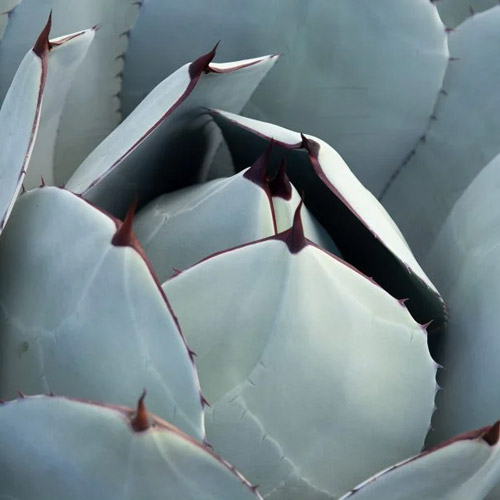
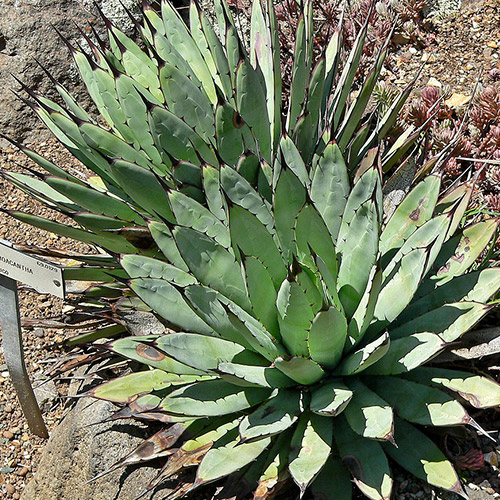
ShapeA small, tight and symmetrical rosette.
LeavesThick green leaves with a prism-like appearance.
MarkingsDistinctive white lines follow the leaf margins.
FlowersOff-white blooms can display purple hues.
How to Grow Queen Victoria Agave
Light
Provide full sun and at least six hours of direct sunlight daily.
Water
Water thoroughly, then let the soil dry completely.
Soil
Use fast-draining succulent soil and a drainage hole.
Temperature
Protect the plant when temperatures approach 20°F (-6.7°C).
Propagation
Offsets
- Remove a healthy offset with a sterile tool.
- Allow it to callous for several days.
- Plant it in well-draining soil.
Seeds
- Harvest mature seeds from the flowers.
- Sow them in well-draining soil.
- Start seeds indoors under a grow light in cooler climates.
Scientific Classification
| Kingdom | Plantae |
|---|---|
| Order | Asparagales |
| Family | Asparagaceae |
| Subfamily | Agavoideae |
| Genus | Agave |
| Species | Agave victoriae-reginae |
Life cycle: Queen Victoria Agave is monocarpic, meaning an individual rosette flowers once before dying. Propagate offsets before flowering when possible.
Sources and Image Attribution
Plant details are compiled from the existing Xerophyte.Garden profile.
Primary image by Stan Shebs via Wikipedia.

