
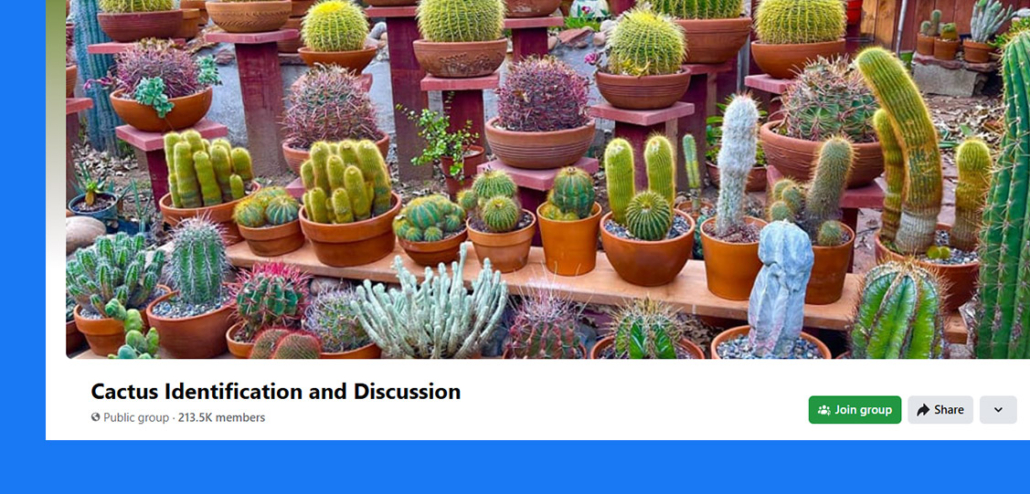
8 Facebook Groups for Succulent and Cactus Lovers
Facebook groups can be useful places to identify an unfamiliar succulent, compare growing techniques, troubleshoot plant problems, and connect with gardeners who share a particular interest. The best group depends on what you need. A beginner may want a patient general-care community, while an experienced grower may prefer a group focused on cactus identification, native plants, or water-wise landscaping.
Last reviewed: August 2026. Facebook group names, privacy settings, rules, and availability can change. Facebook may require you to sign in before viewing or joining a group.
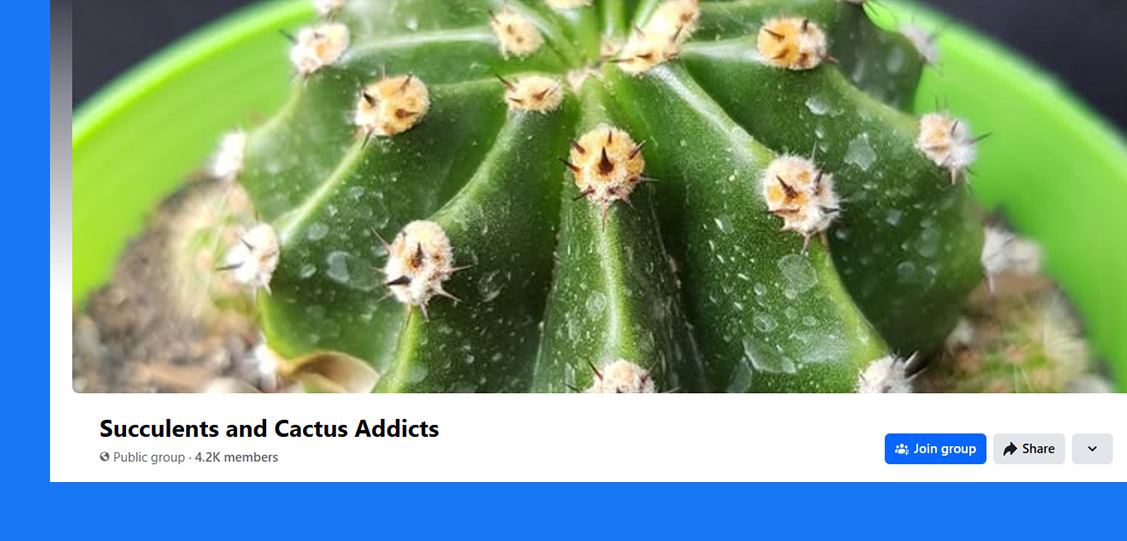
1. Succulents and Cactus Addicts
This public group has 8,400+ members as of August 2026 and covers both succulents and cacti. Members can share plant photos, ask care questions, discuss growing conditions, and compare collections. It may be a good starting point if your collection includes several different plant groups and you do not want to join a separate community for every genus.
Perfect for general discussion, collection photos, plant-care questions, and meeting other succulent growers.
2. Succulent Enthusiasts Society
This public group’s 1,100+ members provides a general community for people who enjoy growing and photographing succulents. Before posting, read the current rules and look at several recent discussions to understand what kinds of questions the moderators allow.
3. Succulents for Beginners
This private but very active group with 146,000+ members is intended for newer growers. It can be helpful when you are learning how to recognize overwatering, choose a container, understand light requirements, or identify common succulent types.
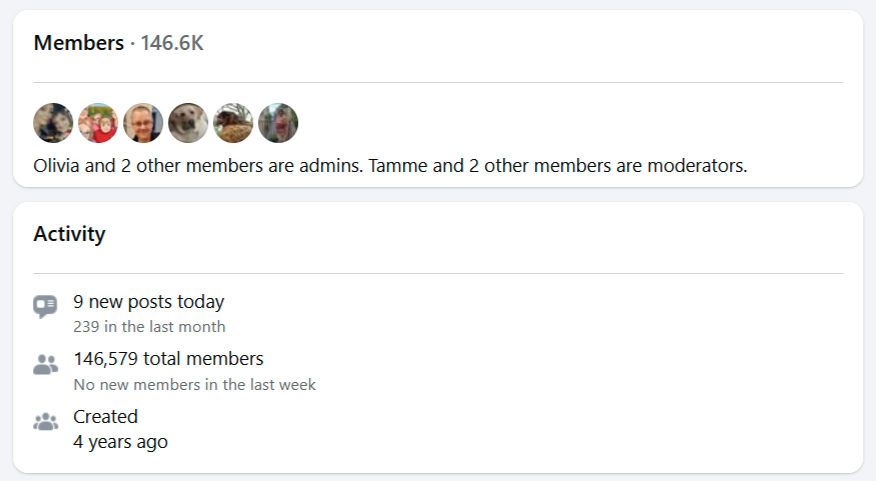
screenshot of member list and activity as of August 2026
For a more organized introduction, begin with our guides to succulent types and planting a succulent. You can then use a Facebook group to ask questions about your particular plant and growing environment.
The best for beginner questions, basic care, troubleshooting, and plant identification.
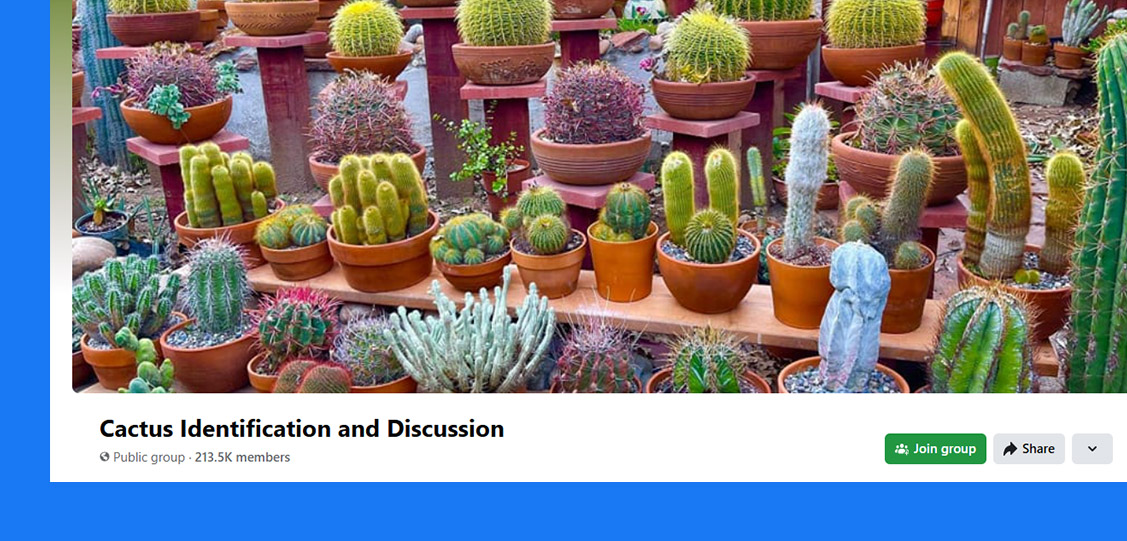
4. Cactus Identification and Discussion
This public Facebook group with over 200k members (wowza!) focuses on identifying cacti and discussing their cultivation. It may be especially useful when a nursery label only says “assorted cactus” or when a plant was inherited without a name.
Recommended for cactus identification, taxonomy discussions, care questions, and comparing mature specimens.
For the best chance of receiving a reliable identification, try to include the following in your post or question.
- A clear photograph of the entire plant.
- Close photographs of the spines, stems, and growing point.
- Photographs of flowers or fruit when present.
- The approximate size of the plant.
- Its location or known origin.
- Any label that came with it.
5. 808 Succulents/Cactus Enthusiasts
This smaller public group with 300+ members brings together people interested in both succulents and cacti. The “808” name is associated with Hawaii, making the group potentially useful for discussions involving warm, humid, or island growing conditions.
Climate context matters when comparing advice. A watering or sun recommendation that works in Hawaii may not work the same way in Arizona, Michigan, or an indoor apartment.
Best for regional discussion, tropical growing conditions, succulents, and cacti.
6. Cactus and Succulent Growers
Visit Cactus and Succulent Growers on Facebook
This formerly private, now public group of 105,000+ members serves growers interested in both cacti and other succulents. A broad community can be useful for seeing how plants perform in different climates and comparing cultivation techniques.
When asking for care advice, include your general location, whether the plant grows indoors or outdoors, the amount of light it receives, the type of container, and how you determine when to water. Those details are more useful than simply asking how often a succulent should be watered.
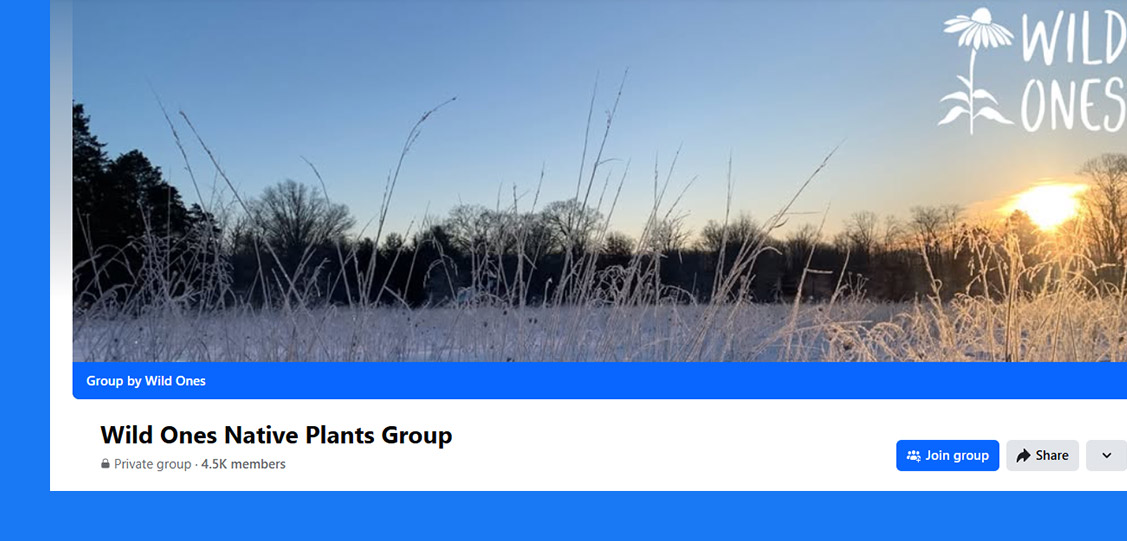
7. Wild Ones Native Plants Group
This private group was created over 10 years ago! Its membership of 5,000+ focuses on native plants and natural landscapes. It is broader than succulents, but it can help gardeners understand how drought-tolerant native species fit into a functioning local ecosystem.
Native status depends on location, so aplant native to one part of the United States may be introduced, unsuitable, or invasive somewhere else. Include your state or region when requesting recommendations.
Our native succulents by state guide provides a starting point for finding regionally appropriate plants. Confirm important selections with a state extension service, native plant society, or regional flora database.
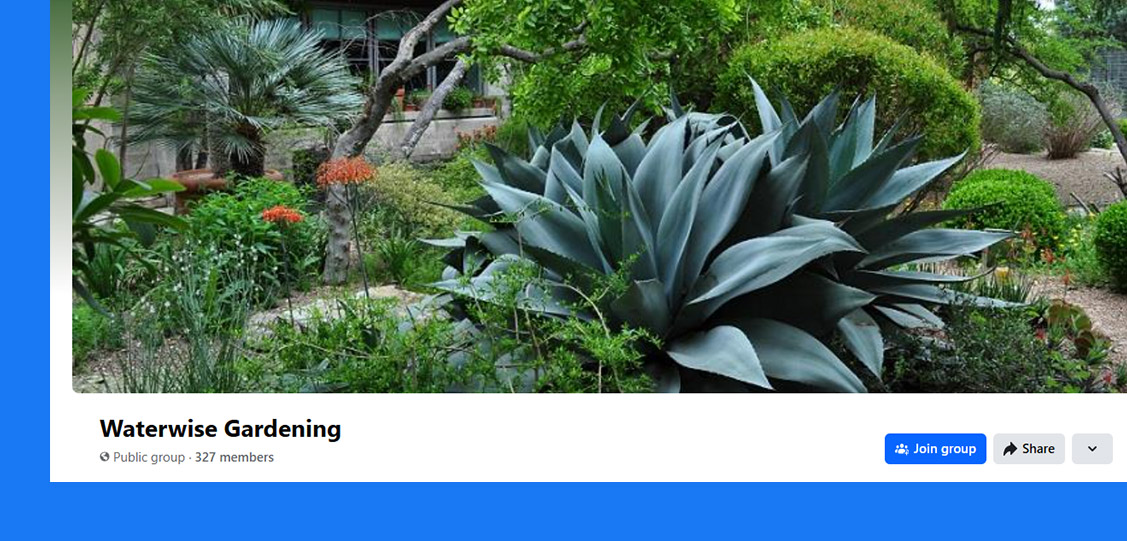
8. Waterwise Gardening
This intimate group of 300+ focuses on gardening practices intended to use water efficiently. Discussions may include drought-tolerant plants, irrigation, mulch, soil, landscape design, and adapting gardens to dry conditions. Water-wise gardening does not mean eliminating water or filling every landscape with desert plants. The most effective approach considers local rainfall, soil, plant establishment, mature size, and irrigation efficiency.
Recommended for drought-tolerant landscaping, efficient irrigation, xeric garden design, and reducing unnecessary water use.
Our Advice on How to Choose a Helpful Facebook Group
A high membership count does not guarantee accurate advice or productive conversations. So before you join, make sure you examine the group’s current activity and rules. Try searching for a community with the following:
- recent posts and active discussions
- clear moderation and posting rules
- members who ask about climate and growing conditions
- identifications that use scientific names when possible
- corrections that are explained respectfully
- policies covering sales, spam, and self-promotion
- warnings against illegal or destructive plant collection

 Nikolett Emmert