Photo: Frank Vincentz, Wikipedia
Mammillaria
Rainbow Pincushion
Mammillaria rhodantha
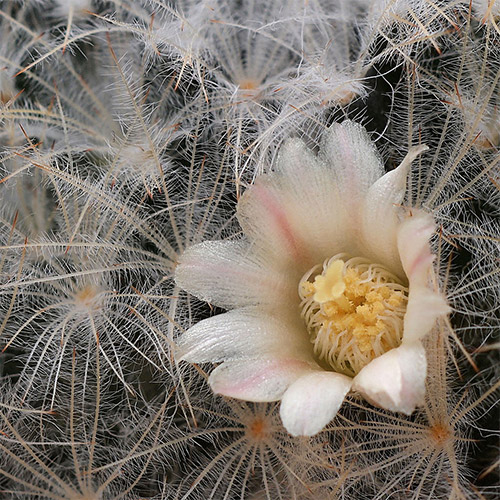
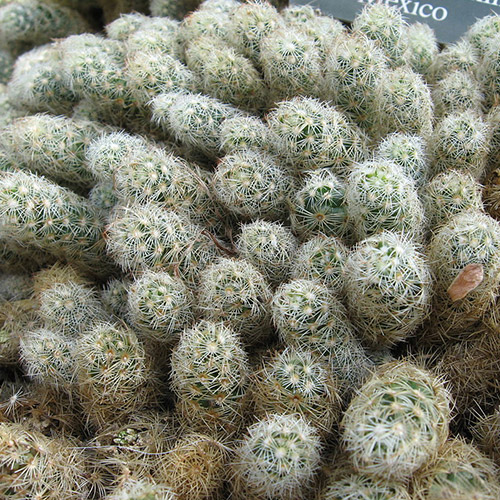
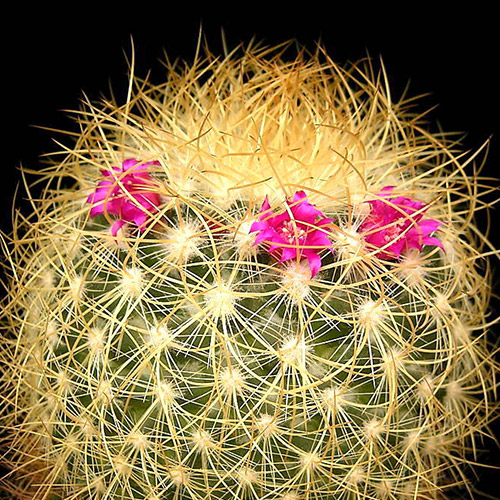
A rounded to columnar cactus with dense golden or reddish spines and a crown of vivid pink flowers.
Plant profile updated August 25, 2026
QUICK FACTS
Key growing and identification information for Mammillaria rhodantha.
IDENTIFICATION
Look for these characteristics when identifying Mammillaria rhodantha.
HOW TO GROW RAINBOW PINCUSHION
Use these growing guidelines as a practical starting point and adjust for local conditions.
Light
Provide strong light and several hours of direct sun for sturdy growth.
Water
Water after the soil dries and keep the plant nearly dry during winter dormancy.
Soil
Use a porous mineral cactus mix and never let the pot stand in water.
Temperature and Placement
Protect from freezing temperatures and provide a cool dry winter rest.
PROPAGATION
Rainbow Pincushion can be propagated from seed or occasional offsets.
- Select healthy plant material.
- Use a sterile blade and allow any cut surface to callus.
- Place it in dry, fast-draining soil.
- Wait several days before watering lightly.
- Keep it warm and in bright filtered light while roots establish.
SCIENTIFIC CLASSIFICATION
The botanical classification currently used for this plant profile.
| Kingdom | Plantae |
|---|---|
| Clade | Tracheophytes |
| Clade | Angiosperms |
| Order | Caryophyllales |
| Family | Cactaceae |
| Genus | Mammillaria |
| Species | Mammillaria rhodantha |
Safety: Generally considered non-toxic. Avoid ingesting unfamiliar plants and use appropriate protection when handling sharp or irritating species.